Modern smart home architecture is transforming the way people design, build, and live in residential spaces. In 2026, homeowners are no longer focused solely on aesthetics. Instead, they prioritize technology integration, energy efficiency, and long-term adaptability. A well-designed smart home combines innovation with sustainability while increasing property value.
As real estate markets become more competitive, future-proof design is no longer optional — it is strategic.

What Is Modern Smart Home Architecture?
Modern smart home architecture refers to residential design that integrates advanced technology directly into the structure of the home. Unlike traditional houses that add smart devices later, this approach builds automation and connectivity into the core design.
Key elements include:
-
Integrated home automation systems
-
Energy-efficient building materials
-
Solar-ready roofing systems
-
Smart lighting and climate control
-
Security and surveillance integration
Cities like Los Angeles and Austin are seeing rapid growth in smart residential developments due to demand for energy-efficient housing.
Technology Integration in Smart Homes
Technology is the backbone of modern smart home architecture. Systems such as smart thermostats, automated lighting, and AI-powered security platforms are now standard in luxury and mid-range properties.
Popular smart ecosystems include:
-
Google Nest
-
Amazon Alexa
-
Apple HomeKit
When integrated during the architectural planning phase, wiring, sensors, and network hubs remain hidden, creating a seamless design without visible clutter.
Sustainability as a Core Design Principle
Sustainability is central to future-proof residential architecture. Smart homes are increasingly designed to meet standards promoted by organizations such as the U.S. Green Building Council.
Common sustainable features include:
-
High-performance insulation
-
Energy-efficient windows
-
Smart energy monitoring systems
-
Rainwater harvesting
-
Solar panel integration
These features reduce energy bills while increasing resale value. In addition, buyers are more attracted to homes that offer lower environmental impact.
Future-Proof Design Strategies
Future-proof design ensures a home remains functional and valuable for decades. This includes:
1. Flexible Floor Plans
Open layouts that allow easy remodeling as family needs change.
2. Scalable Technology Infrastructure
Strong network wiring and centralized hubs allow upgrades without major renovations.
3. EV Charging Integration
Electric vehicle charging stations are becoming standard in new builds.
4. Aging-in-Place Considerations
Wider doorways, step-free entries, and adaptable bathrooms extend long-term usability.
By incorporating these strategies early, homeowners avoid expensive structural changes later.
Cost Considerations
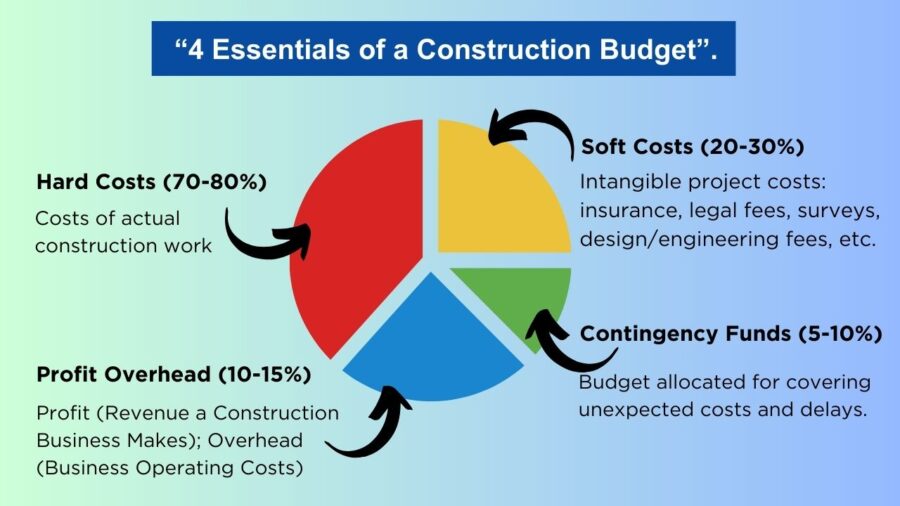
Smart home architecture may increase upfront construction costs by 5% to 15%. However, energy savings, tax incentives, and higher property valuations often offset initial expenses.
For developers and investors, smart-enabled properties frequently command premium pricing in urban markets.
Final Thoughts
Modern smart home architecture blends technology, sustainability, and strategic planning into a single cohesive vision. In 2026, homeowners are seeking properties that are efficient, adaptable, and technologically advanced.
By integrating smart systems and eco-friendly design from the beginning, architects and developers create homes that are not only innovative today but resilient tomorrow. Future-proof design is more than a trend — it is the new standard in residential architecture.
