Understanding commercial building design costs is essential before launching any large-scale development project. Whether you’re constructing an office tower, retail space, or mixed-use property, accurate budgeting can determine profitability. Developers and investors who understand cost structures early reduce financial risk and improve long-term returns.
In 2026, commercial construction expenses remain influenced by labor shortages, material pricing, energy regulations, and sustainability requirements. Therefore, planning your design budget carefully is more important than ever.



What Are Commercial Building Design Costs?
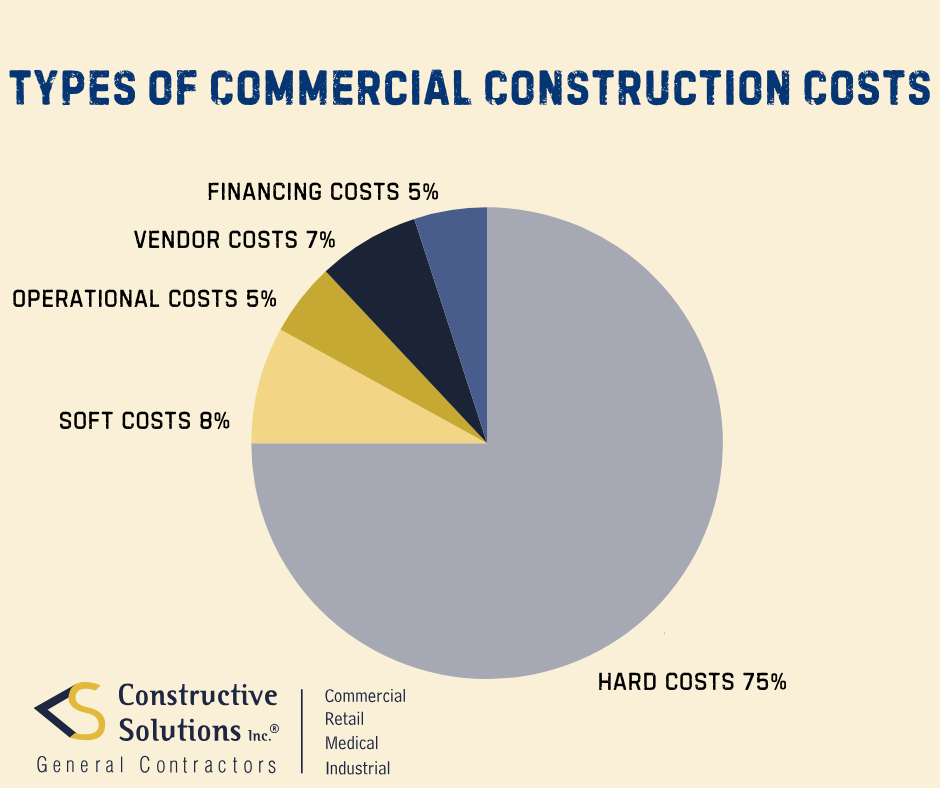
Commercial building design costs typically include architectural planning, engineering services, permits, site analysis, and project management coordination. On average, design fees range between:
-
5% to 12% of total construction costs
-
$3 to $15 per square foot (depending on complexity)
-
Higher rates for specialized structures such as hospitals or high-rise buildings
For example, if your construction budget is $5 million, design fees may range between $250,000 and $600,000.
Key Factors That Affect Design Costs
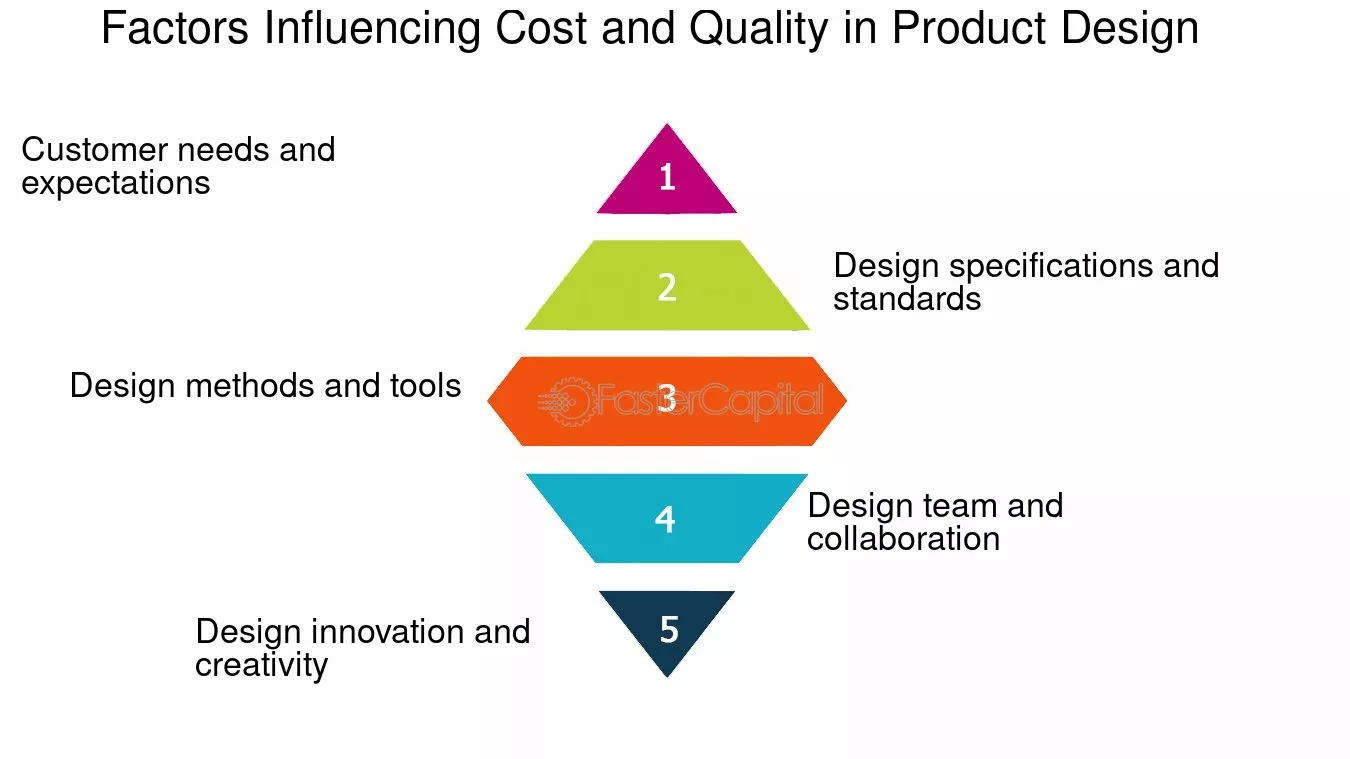
Several elements influence overall commercial building design costs:
1. Project Complexity
High-rise buildings, healthcare facilities, and mixed-use developments require advanced structural and mechanical systems, increasing design expenses.
2. Location
Projects in cities like New York City or San Francisco often cost more due to stricter regulations and higher labor rates.
3. Sustainability Requirements
Green building certifications such as U.S. Green Building Council LEED standards can increase upfront design costs but lower long-term operating expenses.
4. Engineering Coordination
Mechanical, electrical, plumbing (MEP), and structural engineering integration significantly impact the total design budget.
Hard Costs vs. Soft Costs
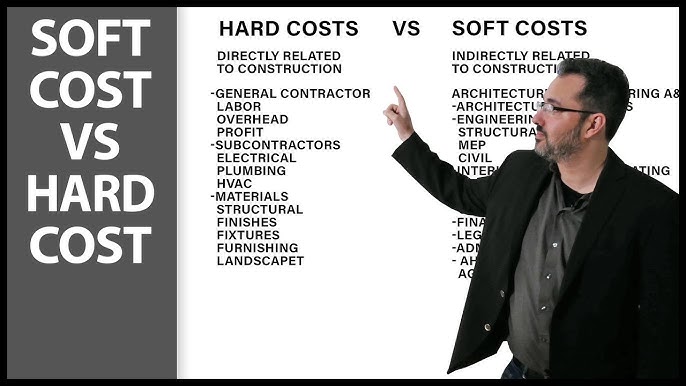
Investors should separate construction budgets into two categories:
Hard Costs
-
Materials
-
Labor
-
Equipment
-
Structural systems
Soft Costs
-
Architectural design
-
Engineering fees
-
Permits
-
Legal expenses
-
Financing costs
Design fees fall under soft costs but directly influence construction efficiency. Poor planning often leads to expensive change orders later.
Budgeting Tips for Developers and Investors
1. Define the Scope Early
Clear project goals reduce redesign expenses. Ambiguity during planning increases costs.
2. Request Detailed Proposals
Compare architectural firms based on scope, deliverables, and timeline — not just price.
3. Allocate Contingency Funds
Set aside 5%–10% of total development costs for unforeseen adjustments.
4. Prioritize Value Engineering
Work with your architect and engineers to balance aesthetics, performance, and budget.
5. Consider Lifecycle Costs
Energy-efficient systems may increase upfront design costs but reduce operational expenses over time.
Are Higher Design Fees Worth It?
Experienced commercial architects often charge premium rates. However, better design can:
-
Improve construction efficiency
-
Increase tenant appeal
-
Enhance property valuation
-
Reduce long-term maintenance costs
For investors, strategic design is not an expense — it is a performance multiplier.
Final Thoughts
Commercial building design costs typically represent 5% to 12% of total construction expenses, but their impact extends far beyond that percentage. Smart budgeting, clear scope definition, and collaboration with experienced professionals help developers maximize returns while minimizing risk.
Before breaking ground, analyze your financial projections carefully and treat design as a strategic investment rather than a line-item expense. In competitive U.S. real estate markets, precision planning often determines success.
